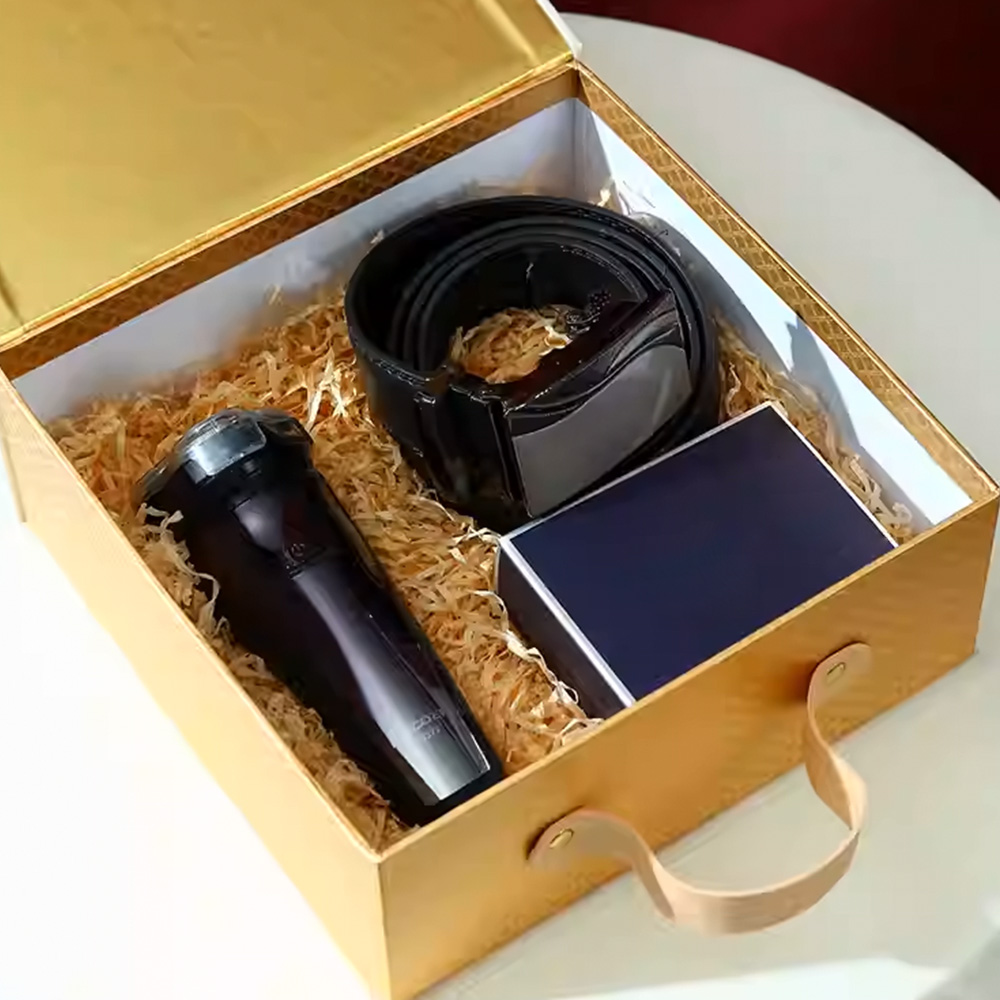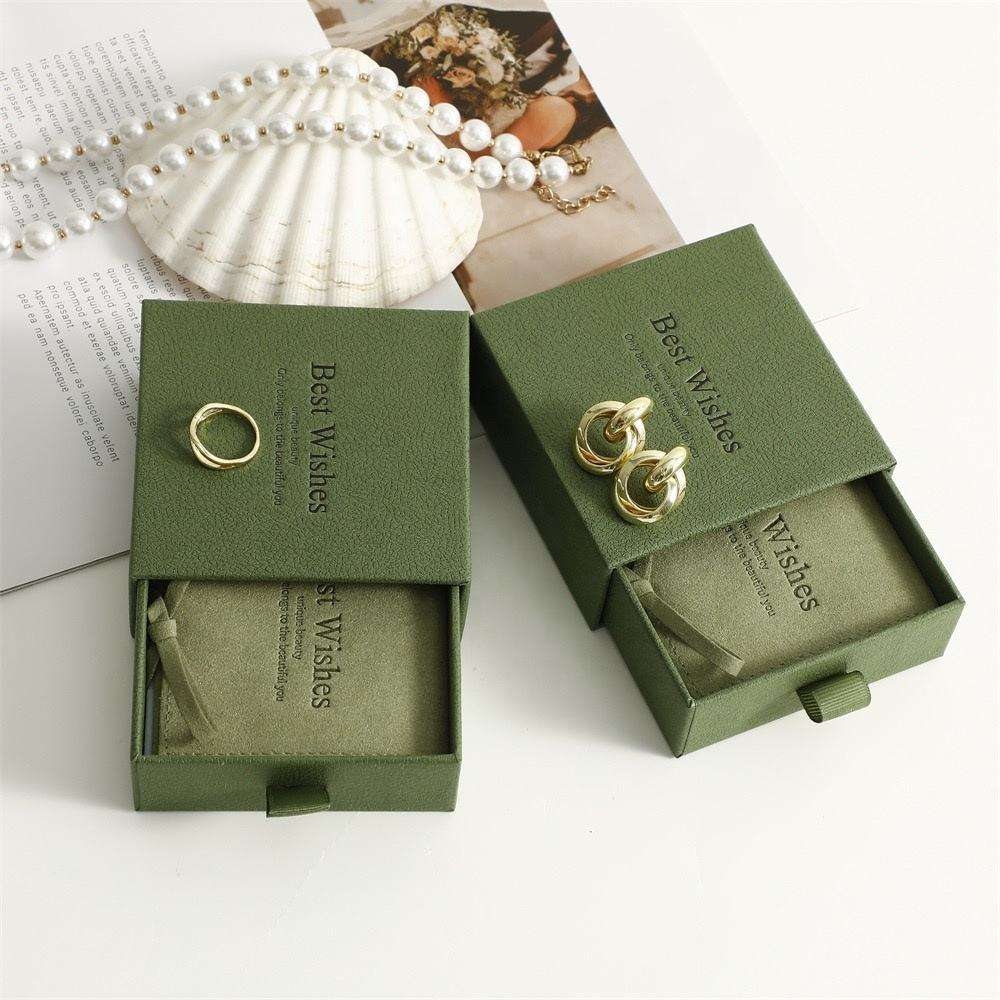
Vous regardez une maquette lumineuse sur votre ordinateur portable, puis la boîte d'échantillons atterrit sur votre bureau - les couleurs changent, les rouges s'atténuent, les bleus profonds paraissent un peu ternes. C'est normal. Les écrans brillent ; le papier reflète. Le CMJN est la façon dont l'encre sur le papier permet aux couleurs de paraître correctes et de rester stables sur la presse.
Modèle de couleurs CMYK (couleurs soustractives sur papier)
CMYK signifie Cyan, magenta, jaune et clé/noir. Il s'agit d'un couleur soustractive modèle. En clair : les encres absorber la lumière. Le papier blanc renvoie la lumière à vos yeux ; chaque couche d'encre supprime une partie du spectre. Empilez les encres et vous obtiendrez des tons plus foncés. C'est pourquoi les imprimeries d'emballages (comme ChinaCustomBoxes) utilisent le CMJN comme base de référence pour les cartons, les pochettes, les tubes et les sacs.
Pourquoi les écrans vous trompent (gamme de couleurs RVB vs CMJN)
Sur un écran, le RVB est additif : de minuscules lampes mélangent la lumière. Le RVB peut afficher des néons ultra-vivants que le CMJN ne peut pas reproduire entièrement. Lorsque vous convertissez une œuvre d'art en CMJN, certaines couleurs à saturation élevée "sortent" de la gamme CMJN. Les épreuves sont donc importantes. Faites une épreuve à l'écran de votre fichier en CMJN, puis demandez une épreuve papier avant le tirage en série.
L'importance du K (encre noire) pour l'impression d'emballages
Peut-on construire les Noirs en empilant C+M+Y ? Techniquement oui, pratiquement non. Un "noir à trois encres" sèche lentement, donne une impression de boue et risque d'être mal enregistré. Un canal K dédié le résout :
- Texte de petite taille et codes-barres plus nets (moins sensibles à la dérive de l'enregistrement).
- Des tons neutres plus nets et des ombres riches.
- Réduction de la couverture totale de l'encre dans les zones sombres, ce qui favorise le séchage et la résistance au frottement.

GCR/UCR (remplacement des composants gris et élimination des sous-couleurs)
Le prépresse utilise GCR/UCR pour remplacer la partie grise du CMJ par le K. Cela permet de stabiliser les gris neutres, de réduire la charge d'encre et d'assurer la cohérence de l'impression sur l'ensemble des lots. Il s'agit d'un acronyme ennuyeux qui a un impact important : des dégradés plus doux, des tons foncés plus calmes, moins de maux de tête liés au séchage.
Angles de trame et LPI en offset/flexo
Les presses ne produisent pas de sons "continus" ; elles impriment points de trame. Changement angles de l'écran pour C, M, Y et K empêche les motifs de s'entrechoquer et évite le moiré. LPI (lignes par pouce) définit la densité des points : plus l'IPV est élevé, plus les détails sont fins (ce qui nécessite un meilleur support et un contrôle rigoureux de la presse). Pour les emballages de vente au détail, nous équilibrons le LPI et le vernis afin que le texte reste net et que les couleurs de la marque restent fidèles d'une répétition à l'autre.
Couverture totale de l'encre (TAC) et contrôle du séchage
Le papier et les revêtements ne peuvent supporter qu'une quantité limitée d'encre. TAC (Total Area Coverage - Couverture totale de la surface) plafonne la combinaison C+M+Y+K à n'importe quel endroit. En maintenant le TAC dans les spécifications, vous réduisez les problèmes de maculage, de maculage et de séchage. Les stocks non couchés exigent un TAC plus faible que le papier d'art brillant ; les doublures en carton ondulé préfèrent les constructions conservatrices. Si vous entendez notre équipe prépresse dire "nous allons réduire le TAC et augmenter le K", c'est que nous protégeons votre calendrier et votre finition prête à l'emploi.
Profils de couleur ICC et épreuvage (GRACoL/FOGRA)
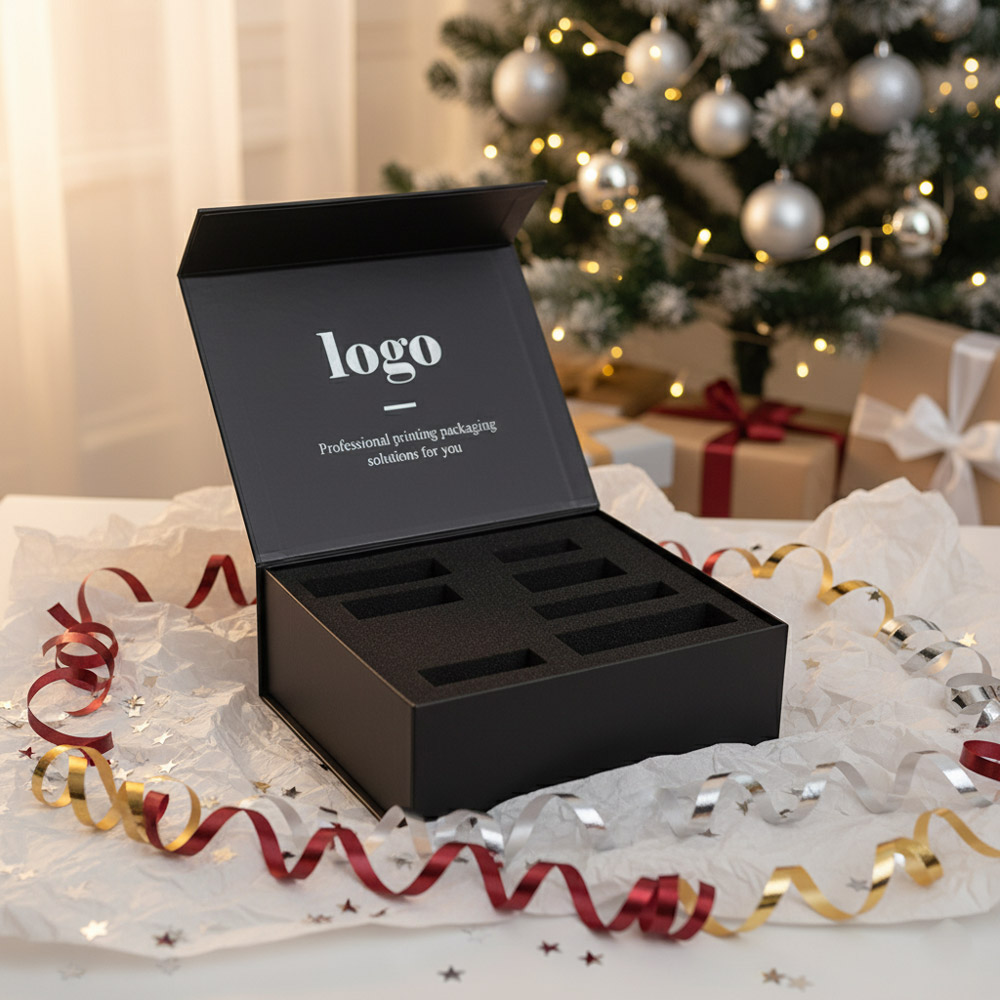
La couleur n'est pas une impression, c'est un profil. Profils de la CCI décrivent la manière dont une presse, une encre et un papier spécifiques reproduisent les couleurs. Nous attribuons le bon profil (par exemple, les familles GRACoL/FOGRA) à votre maquette, convertissons les couleurs RVB si nécessaire et effectuons une épreuve en fonction de ces conditions. Ainsi, votre rouge sur le Boîtes à fermeture magnétique est assorti au rouge de votre Boîtes à couvercle et à base-La même marque, des formats différents, un ton cohérent.
CMYK vs RGB : scénarios pratiques d'emballage
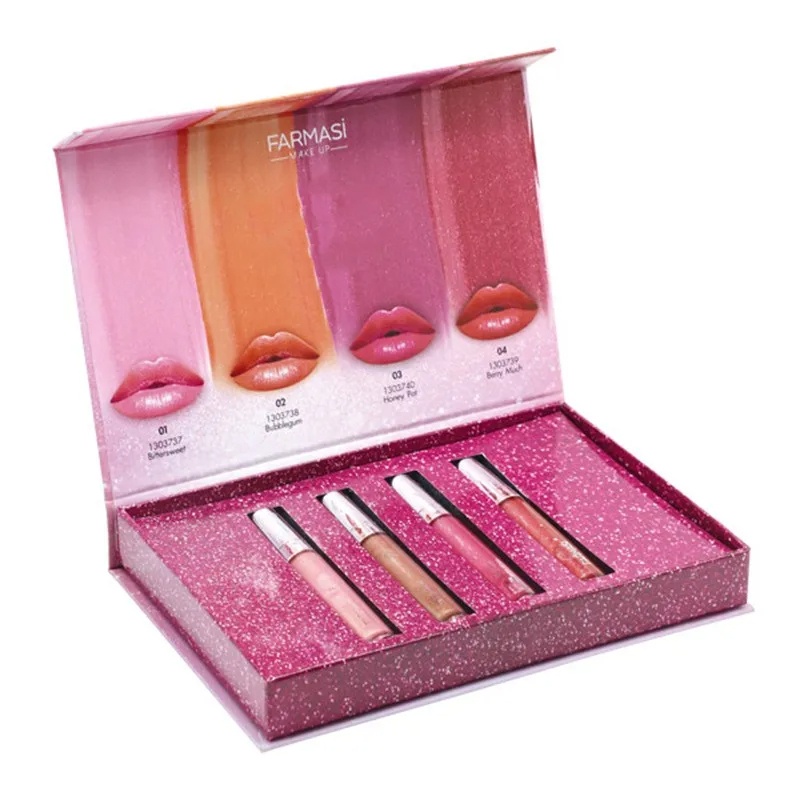
- Pochettes à parfum et sets rigides : Les pourpres aux tons chatoyants ont souvent besoin d'une construction CMYK ajustée et d'un GCR serré pour éviter la dérive des couleurs d'un lot à l'autre.
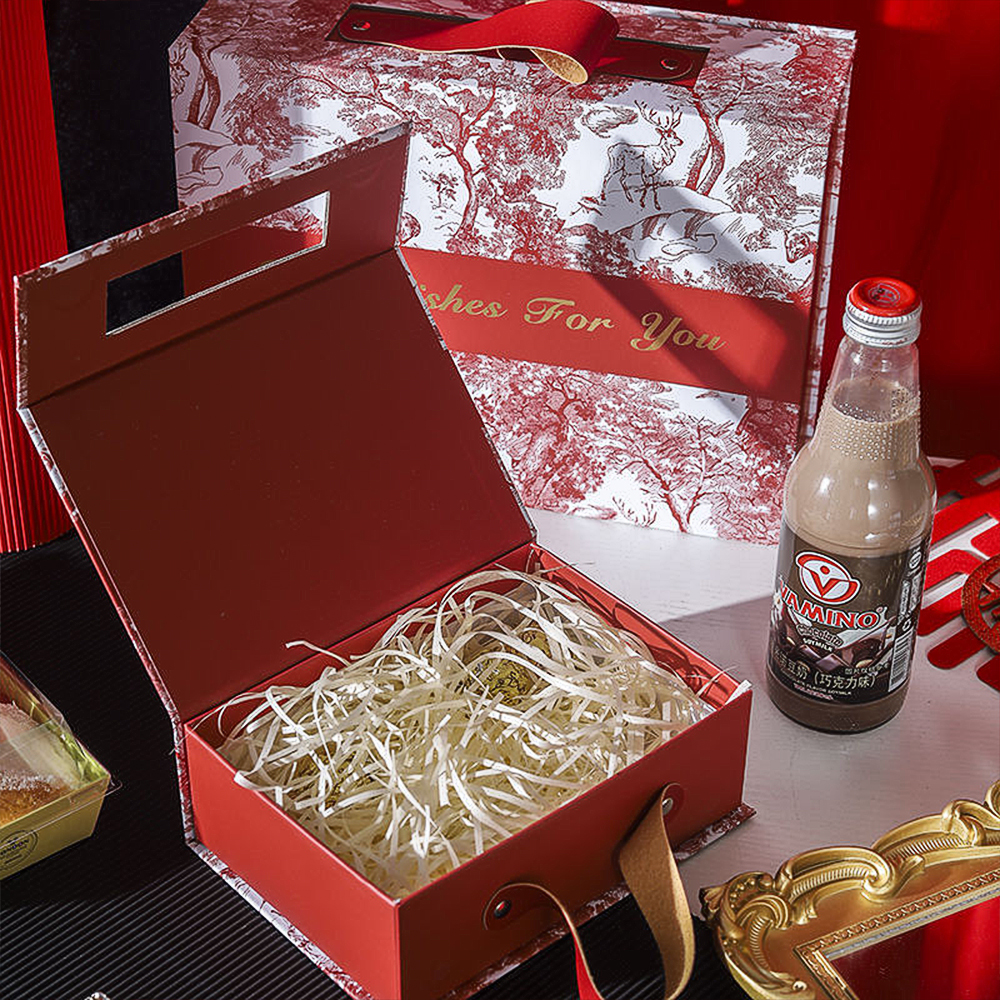
- Cartons alimentaires : Les rouges et oranges chauds se convertissent bien, mais les accents ultra néon peuvent nécessiter des encres ponctuelles.
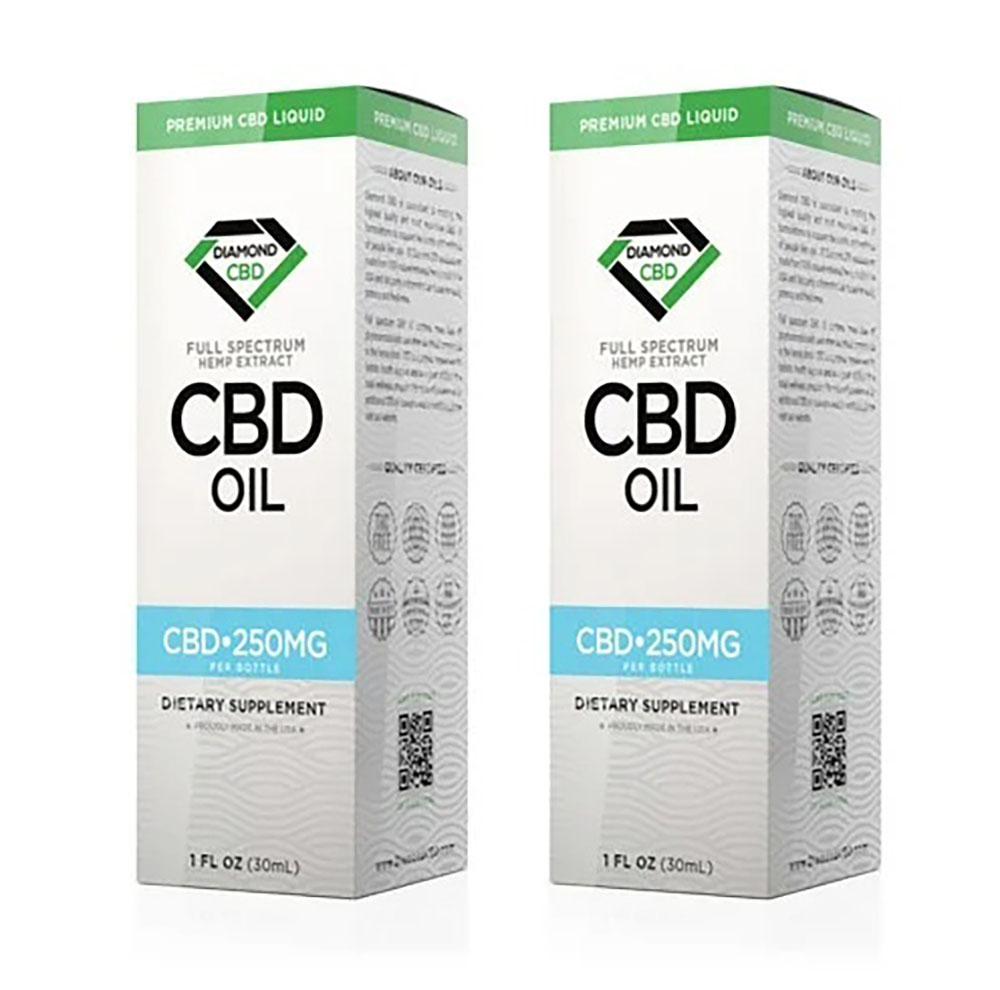
- Le CBD et l'industrie pharmaceutique : Lisibilité : micro texte en K uniquement pour le dosage, images CMYK pour les photos de style de vie, conforme à la directive sur la protection de l'environnement. Emballage à l'épreuve des enfants exigences.
- Mailers pour le commerce électronique : Les substrats kraft atténuent les couleurs ; nous augmentons le K et gérons le TAC pour que les logos restent percutants sur les supports bruns.
- Tubes en papier : Les formes cylindriques présentent des bandes si les gradients ne sont pas construits avec des rampes CMJN lisses. Nous testons les écrans sur Boîtes à tubes en papier précoce.
Tableau : Principales raisons pour lesquelles le CMJN l'emporte dans l'impression
| Sujet | Principaux enseignements | Ce que cela signifie pour votre boîte |
|---|---|---|
| Couleur soustractive (CMYK) | L'encre absorbe la lumière sur le papier | Ce que vous voyez dépend du papier et de l'encre, pas du rétroéclairage |
| Canal K dédié | Type plus net, neutres stables | Micro-texte net, codes-barres propres, noirs plus profonds |
| GCR/UCR | Remplacer le gris CMJ par le K | Charge d'encre réduite, gris plus doux, moins de problèmes de séchage |
| Trames et angles en demi-teinte | Éviter le moiré, conserver des tons lisses | Des images fines sans motifs bizarres |
| Sélection de l'IPV | Faire correspondre les détails au substrat | Un bon équilibre entre les détails, le coût et la stabilité |
| Limite du TAC | Cap total d'encre dans les zones sombres | Séchage plus rapide, moins de décollement, meilleur rendement |
| Profils de couleur ICC | Couleur prévisible et reproductible | Des tonalités de marque cohérentes entre les UGS et les réimpressions |
| Gamme CMJN < RVB | Certains néons/métalliques hors gamme | Envisager des couleurs d'accompagnement ou des revêtements si nécessaire |
Cas d'utilisation réels avec ChinaCustomBoxes
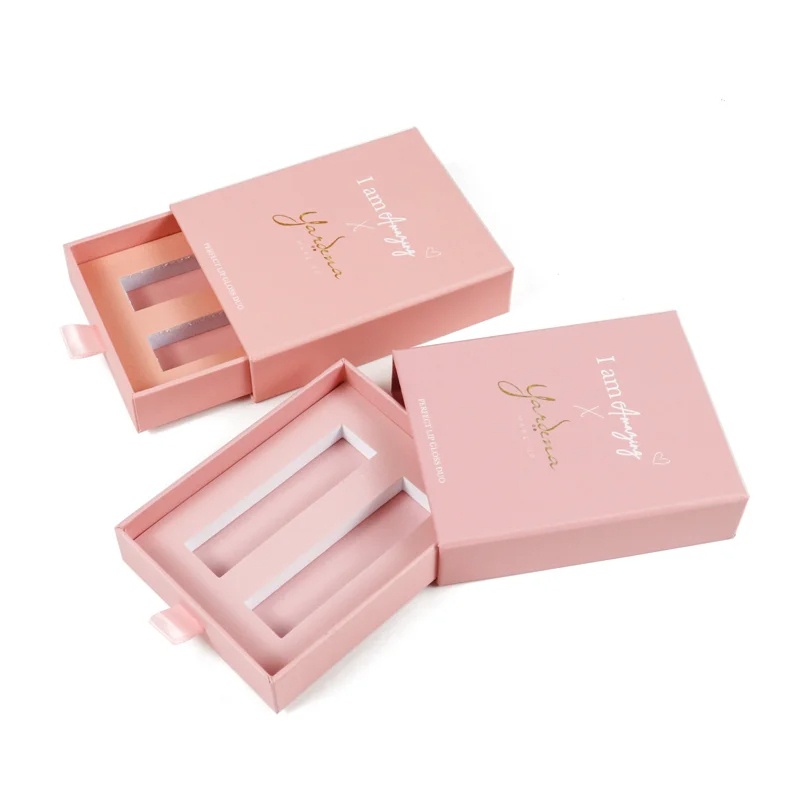
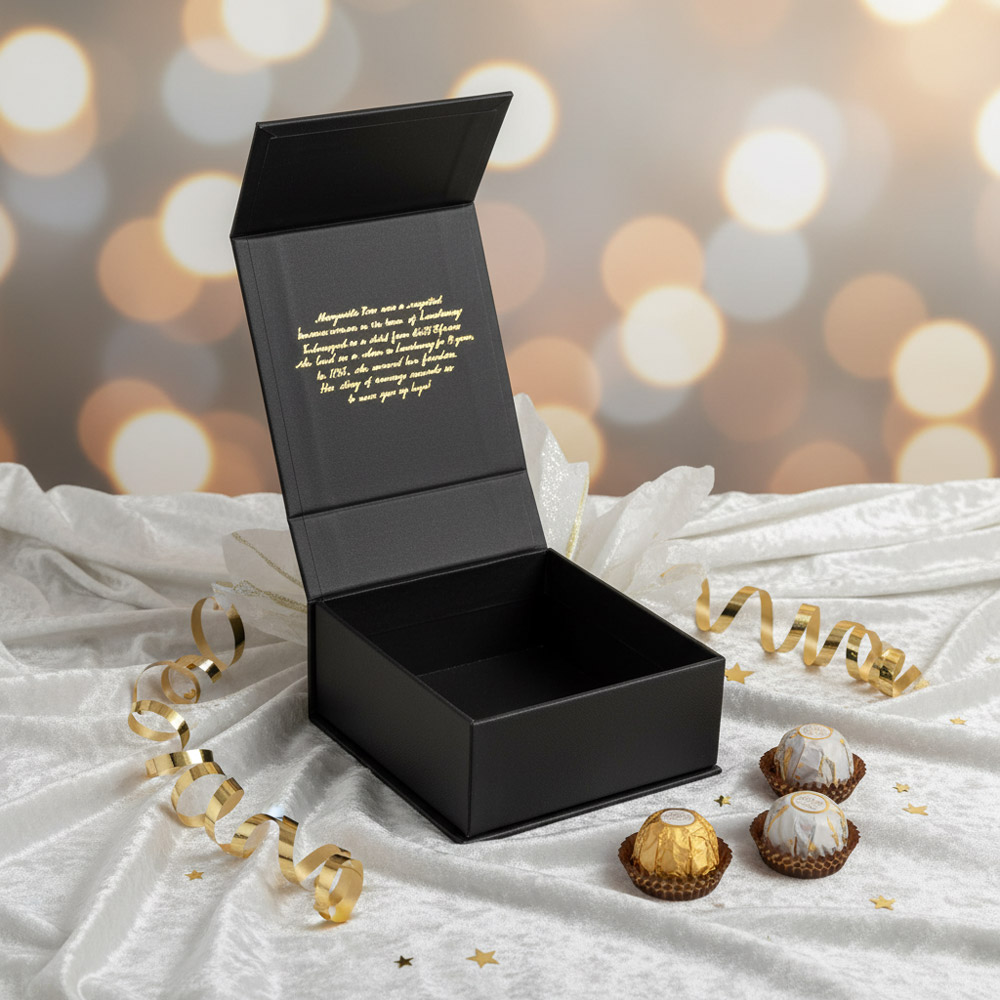
- Cosmétiques et parfums : De nombreux violets et bleus se situent à la limite de la gamme CMJN. Nous procédons à une vérification en douceur, puis nous affinons la construction CMJN ou nous proposons une encre d'accompagnement pour cette teinte héroïque. Consultez notre Boîtes d'emballage pour cosmétiques pour les ensembles et les manchons rigides.
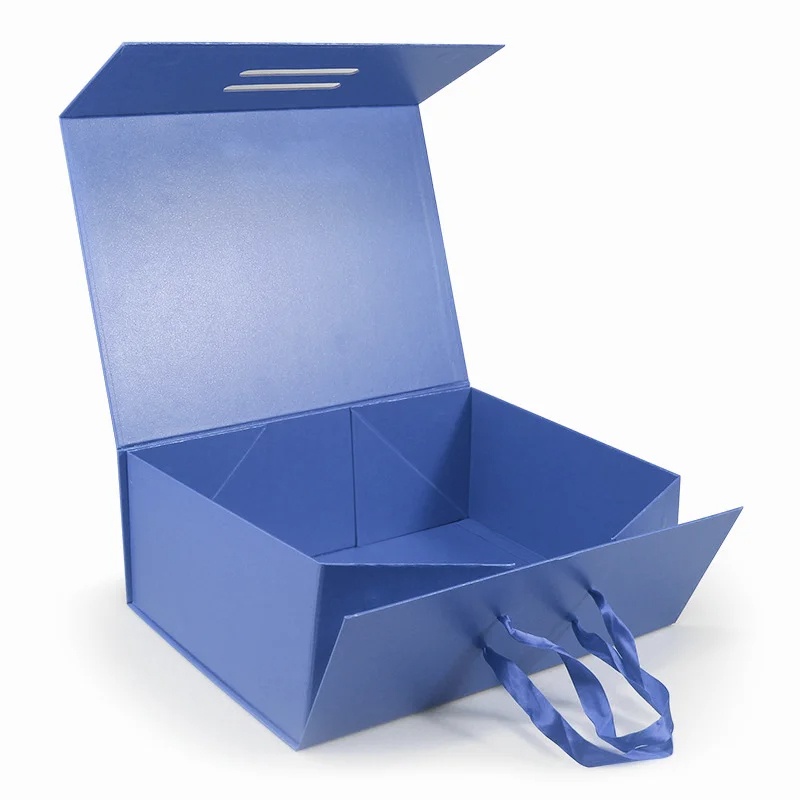
- Cadeaux et vente au détail : Pour les courses saisonnières, Boîtes cadeaux pliables expédier à plat, imprimer efficacement en CMYK et présenter sur le site - sans douleur d'entrepôt, même aspect luxueux.
- Formes et structures : Les lignes diagonales impaires peuvent étirer les dégradés. Voir aussi Boîtes de forme inhabituelle et Boîtes par formes; nous pré-volons l'art pour éviter les ruptures de ton sur les plis délicats.
- Marques D2C : Publipostage et Cartons pliants L'encre en poudre s'accumule pour que l'unboxing soit cohérent, même avec des supports mixtes.

Liste de contrôle prépresse (simple mais efficace)
- Définir le document à CMYK dès le départ lorsque l'impression est le but recherché.
- Attribuer le bon Profil de la CCI pour le stock/la presse prévu(e).
- Utilisation GCR/UCR pour stabiliser les gris ; éviter le faux "noir riche" partout.
- Respect TACdensité de poussée avec des revêtements ou des couleurs d'accompagnement si nécessaire.
- Épreuve : épreuve à l'écran + épreuve contractuelle avant la production en série.
- Garder le texte minuscule en 100% K pour une meilleure lisibilité.
- Observez les gradients sur les courbes, les manchons, les tubes (oui, l'art du tube peut former une bande si la construction n'est pas correcte).
- Des ressources RVB ? Convertissez-les avec intention ; ne vous contentez pas de les intégrer et d'espérer. Les couleurs sont délicates - faites la conversion avec intention.

Secteurs d'activité que nous servons (mots clés que vous recherchez réellement)
Parfums, produits de beauté, bougies, bijoux, produits gastronomiques, vêtements, électronique grand public, vins et spiritueux, cannabis/CBD, commerce électronique. Explorer Boîtes par industrie pour voir des structures adaptées - ensembles rigides, tiroirs, coquilles, pochettes, tubes, etc. Nous prenons en charge les OEM/ODM, les produits en vrac et les toutes nouvelles entreprises qui ont besoin d'un soutien rapide. Si vous avez besoin d'une sécurité enfants, nous vous orientons vers des constructions et des étiquettes conformes sans nuire à l'esthétique.
CMYK, mais élevé : Quand ajouter plus de quatre couleurs
Le CMYK fait le gros du travail. Si la couleur de votre marque ne correspond pas au CMYK (certains néons, couleurs métallisées), nous pouvons ajouter un couleur d'accompagnementPour obtenir un effet pop sans enfreindre le TAC, vous pouvez utiliser un vernis doux ou brillant, une feuille d'aluminium ou un gaufrage. C'est souvent plus judicieux que de forcer un CMJN saturé et de se retrouver avec des ombres boueuses. Ne vous inquiétez pas, nous le signalons en prépresse pour que vous ne soyez pas surpris plus tard.

Pourquoi ChinaCustomBoxes
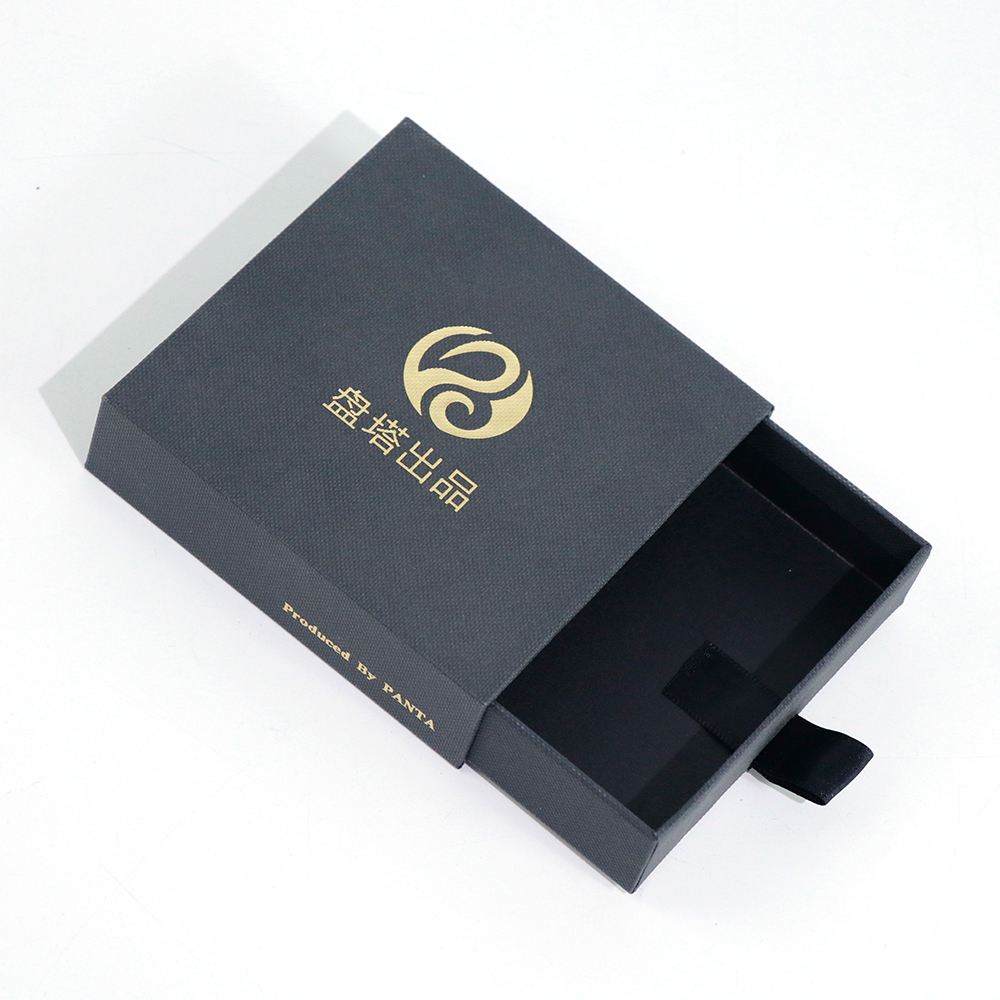
Nous sommes un partenaire de fabrication, pas seulement un imprimeur. Nous réglons Boîtes à fermeture magnétique, couvercle et fond, à tiroir, tubes en papier, pochettes postales, boîtes pliantes, sacs de courses en papier à la réalité du CMJN sur le support de votre choix. Nous gérons la couleur à l'aide de profils, nous surveillons le TAC, nous sélectionnons les écrans et nous fournissons des résultats reproductibles, du pilote à l'échelle. Vous ne voulez pas vous battre contre la couleur à chaque commande.
Aperçu des données : Les contrôles d'impression CMJN en un coup d'œil
| Contrôle | Décision typique | Bénéfice |
|---|---|---|
| Profil de la CCI | Presse d'allumage + crosse (famille GRACoL/FOGRA) | Une couleur de marque prévisible |
| TAC | Respect des spécifications du substrat | Séchage plus rapide, moins de défauts |
| Niveau GCR/UCR | GCR modéré à fort | Neutres stables, moins d'encre |
| LPI | A l'écoute du papier et des œuvres d'art | Des images fluides, un texte net |
| Construction noire | Utiliser K-only pour les micro-textes ; équilibrer le noir riche pour les aplats. | Lisibilité + remplissages profonds |
Définitions rapides (pour une intégration rapide)
- CMYK : Modèle d'encre pour l'impression ; couleur soustractive sur papier.
- GCR/UCR : Stratégies pour remplacer le gris CMJ par le K et réduire l'encre.
- TAC : Nombre maximal d'encres combinées autorisé dans une même zone.
- Profil de la CCI : Fichier définissant la manière dont un appareil rend les couleurs.
- LPI/Angles d'écran : La densité et la direction des points permettent de créer des tons.