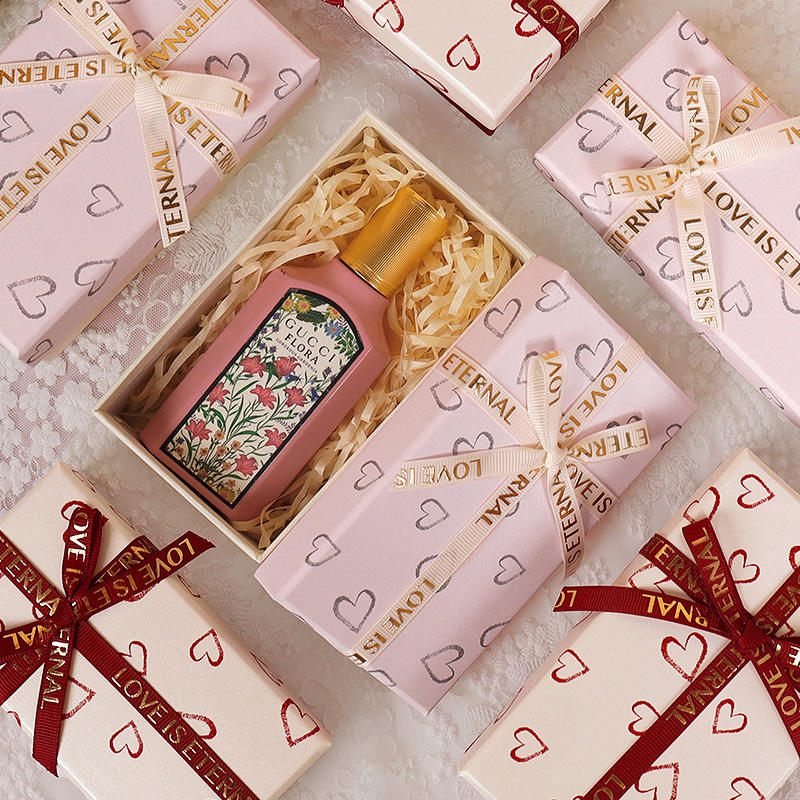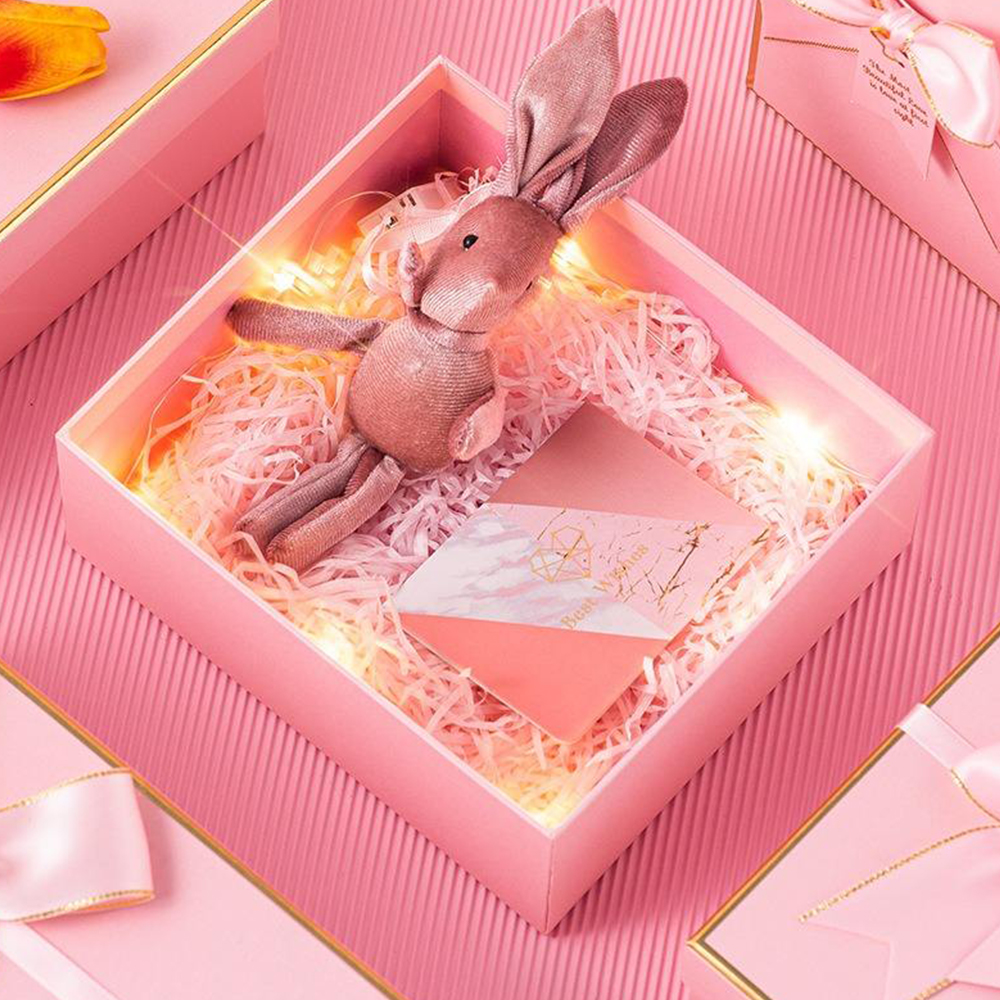
If you sell beauty, your box is the first makeover your customer sees. Before they touch the bottle, they judge the carton. So let’s walk through how to design custom product boxes for cosmetics in a way that actually works on shelf, online, and in transit.
I’ll keep it simple, but still talk like someone who sits in packaging meetings all day.
Why Cosmetic Packaging Boxes Matter for Your Brand
Cosmetic packaging boxes are not just “protection.” They do at least three jobs at the same time:
- Catch the eye in 2–3 seconds on shelf or in a feed.
- Explain the product fast: what it is, who it’s for, why it’s different.
- Protect and ship the formula without leaks, breaks, or messy returns.
If your brand sells makeup, skincare, perfume or body care, your box is basically a mini sales rep. When the design is off, you see it in conversion rate, not only in “beauty.”
For a quick overview of cosmetics-ready structures, you can look at the Cosmetic Packaging Boxes section at China Custom Boxes. It shows common styles buyers already know and trust, which makes your job easier.
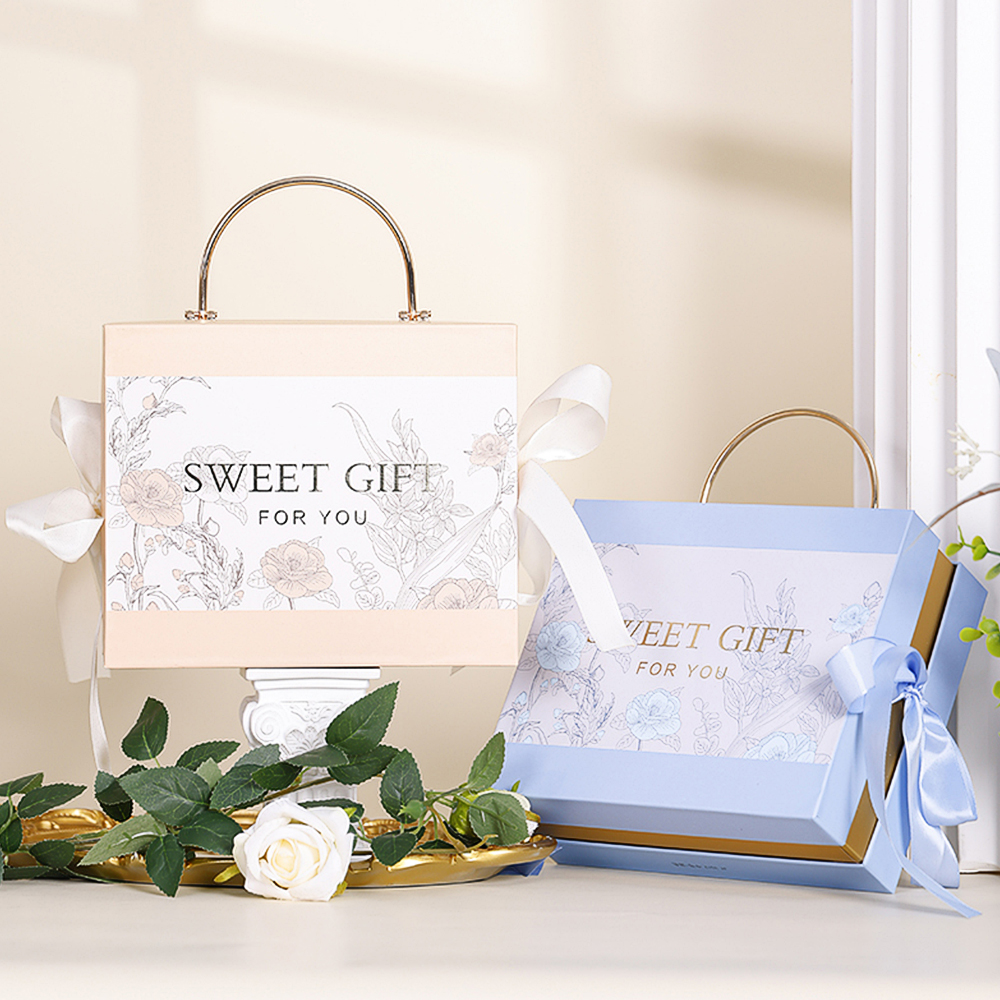
Know Your Target Customer and Cosmetic Product
Before you pick a pretty color, lock these two things:
- Who is buying?
- Ingredient nerds who zoom into the INCI list.
- Luxury fragrance buyers who care more about unboxing “wow”.
- Mass-market users who just want “hydrating cream, no fuss.”
- What is the product really doing?
- Daily skincare (cleanser, toner, moisturiser).
- High-impact items (serum, retinol, acid peel).
- Color cosmetics (lipstick, palette, mascara).
This sound simple, but in real life it’s the hard part. If you don’t narrow this, the artwork will feel random and your box won’t talk to anybody.
A quick rule of thumb:
- More “clinical” formula → cleaner layout, calmer colors, more space for claims and instructions.
- More “fun” or fashion line → bolder colors, stronger graphics, maybe unusual shapes.
Choose the Right Box Style for Cosmetic Packaging Boxes
Once you know who you talk to, pick the structure. This is where you match box type to product role and price tier.
Magnetic Closure Boxes for Premium Cosmetics
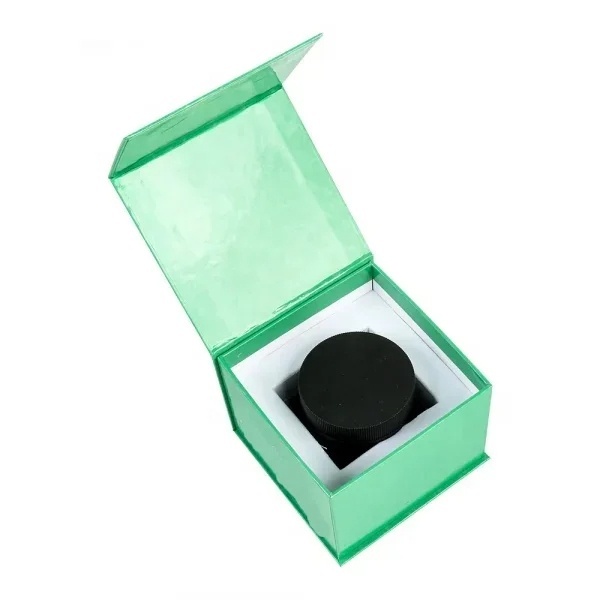
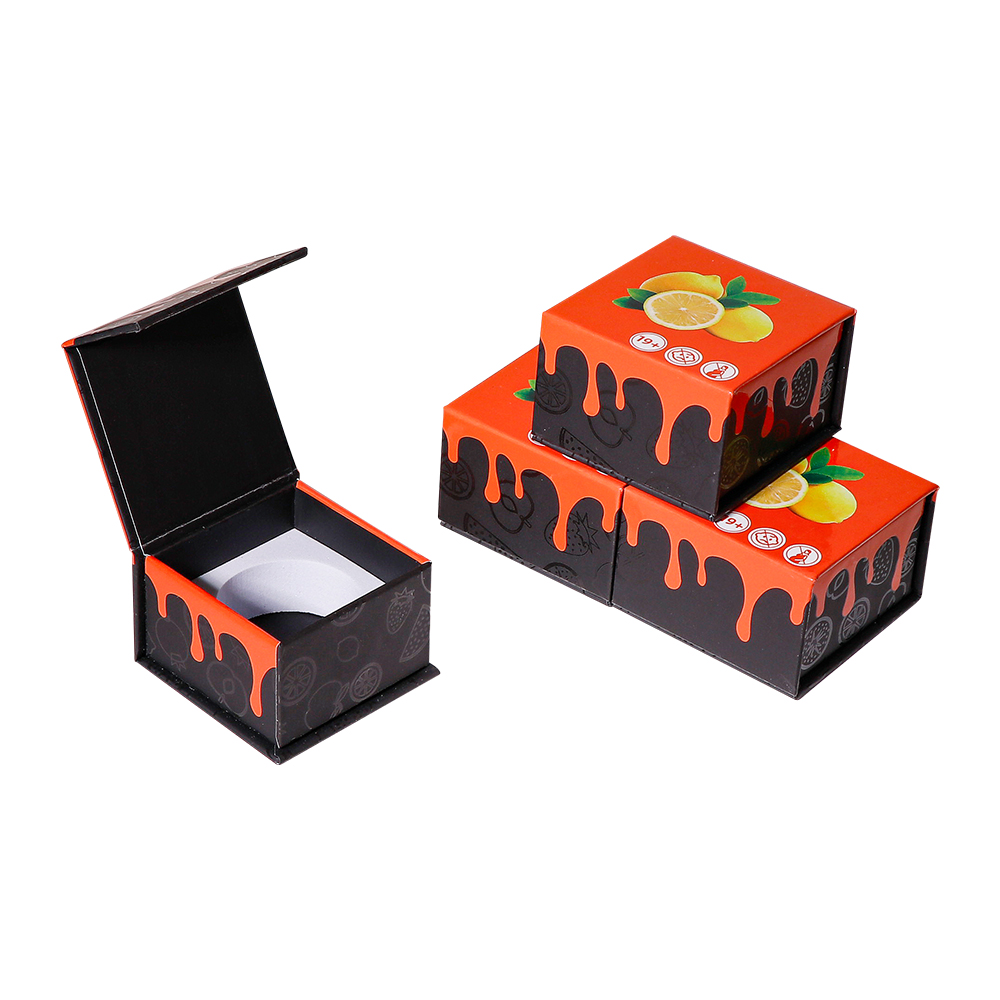
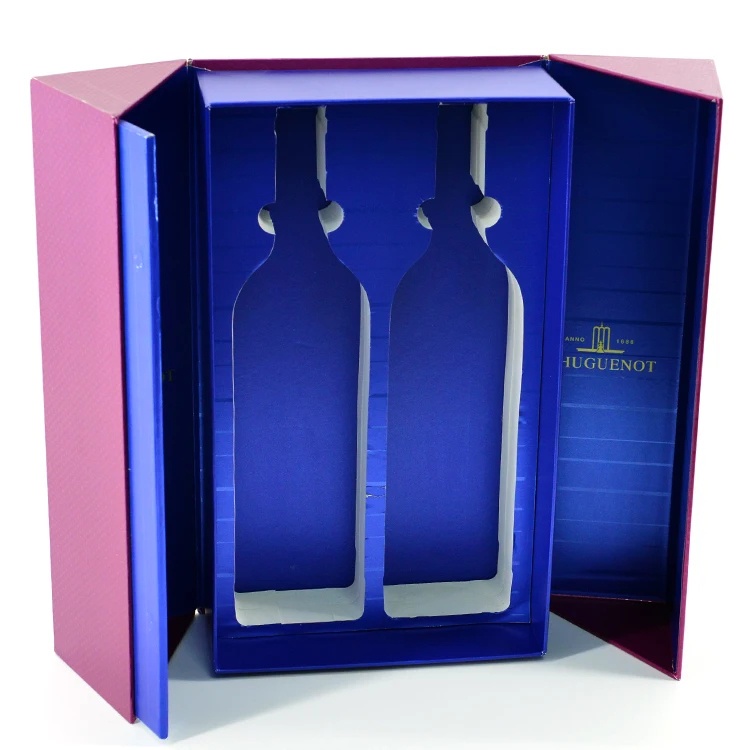
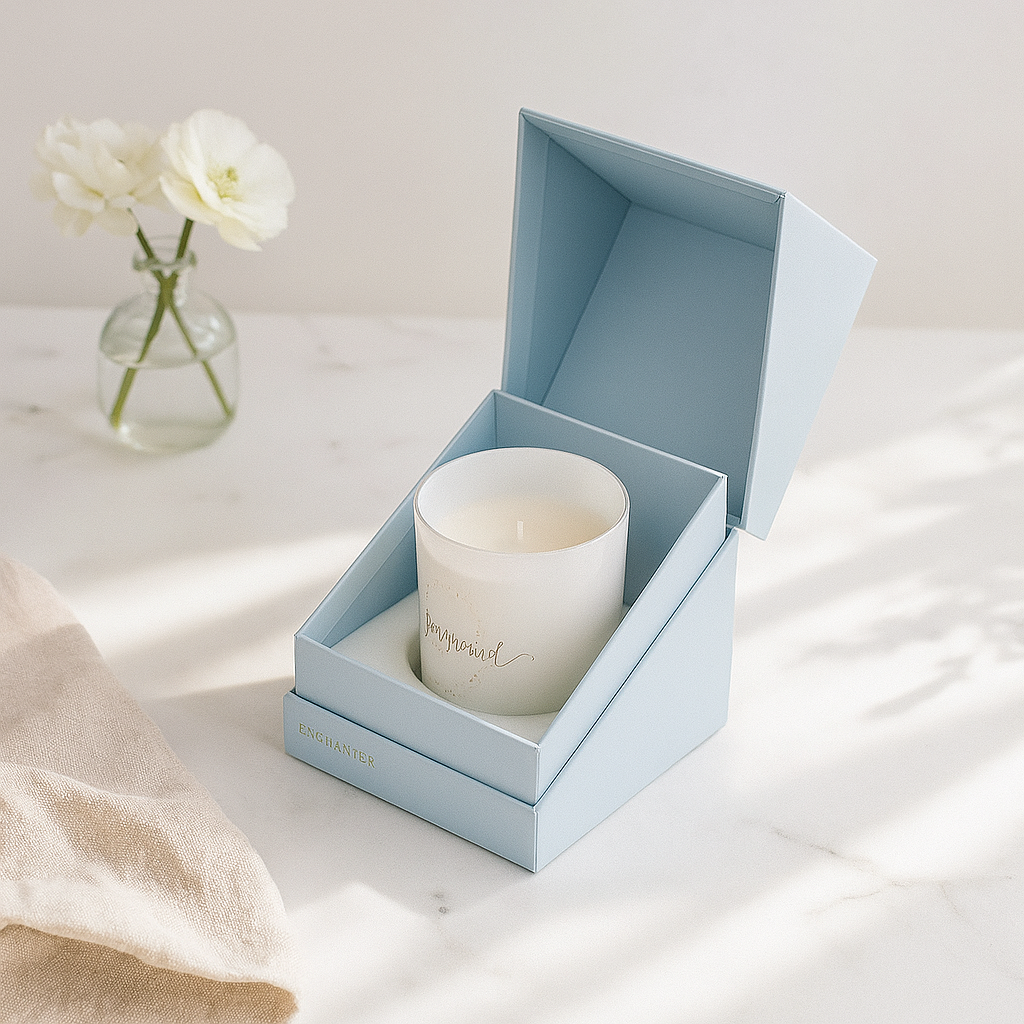
If you’re working on high-end skincare kits or perfume gift sets, Magnetic Closure Boxes give you that “premium click” when the lid shuts.
Good for:
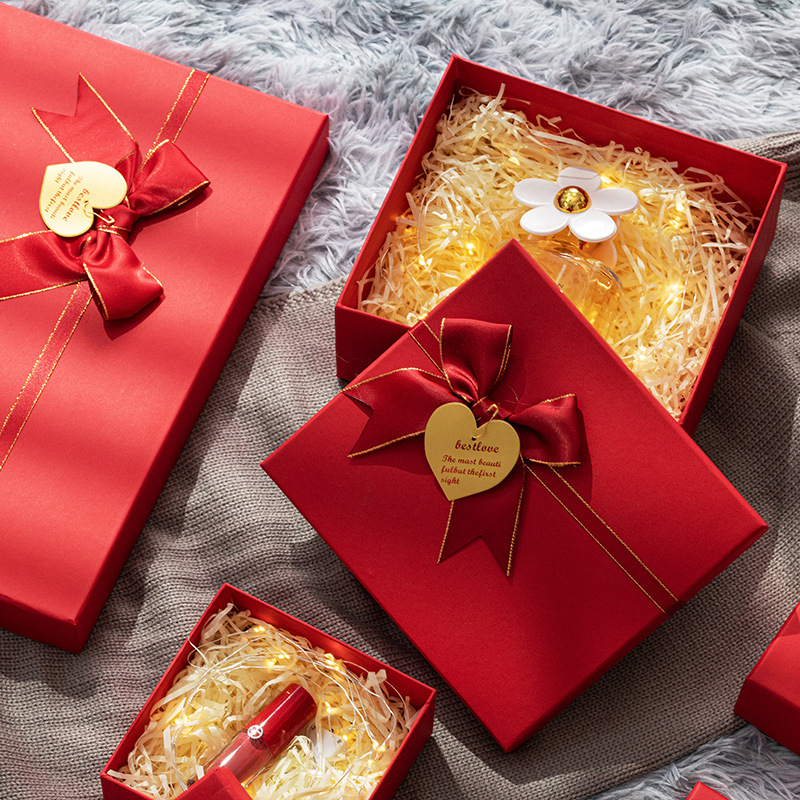
- Gift sets, PR kits, holiday limited editions.
- Glass bottles that need strong protection and nice presentation.
Why brands like them:
- Rigid board + magnet feels expensive.
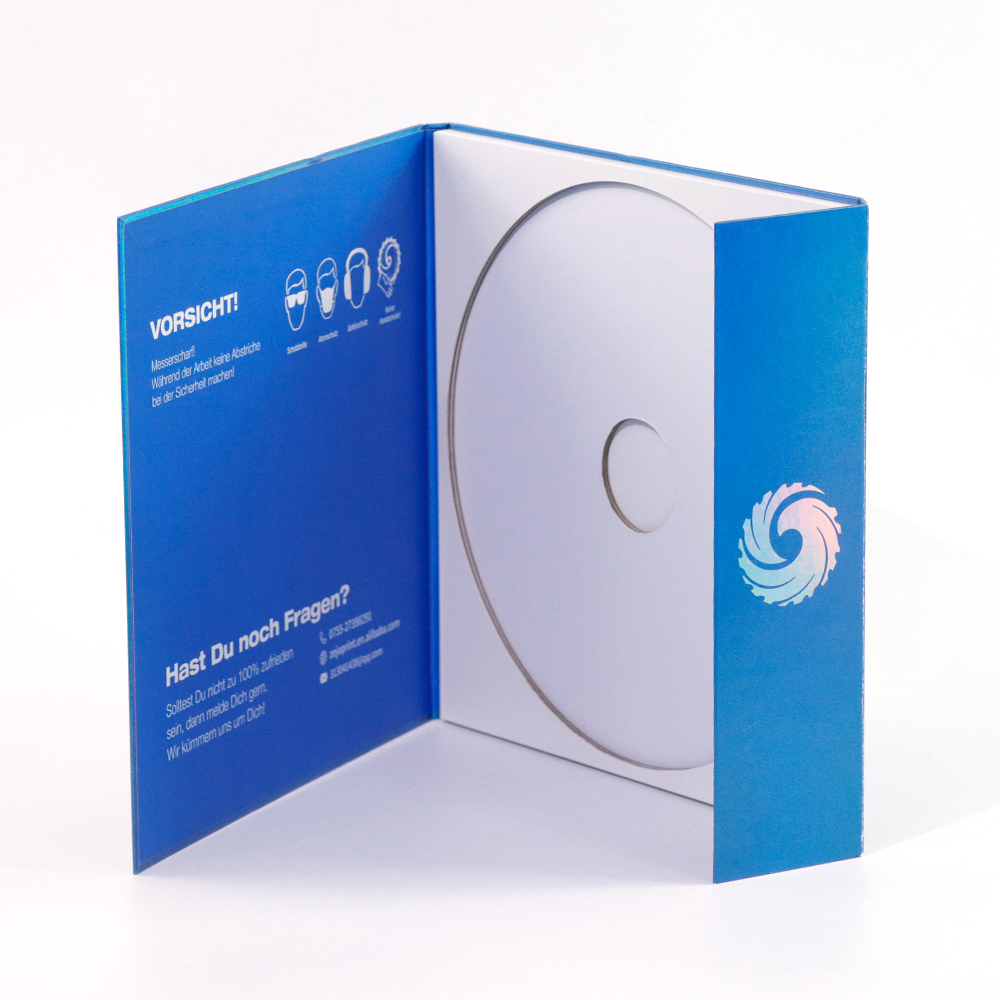
- Plenty of space inside for foam inserts, molded pulp, or card trays.
- Perfect for content creators; unboxing looks nice on camera.
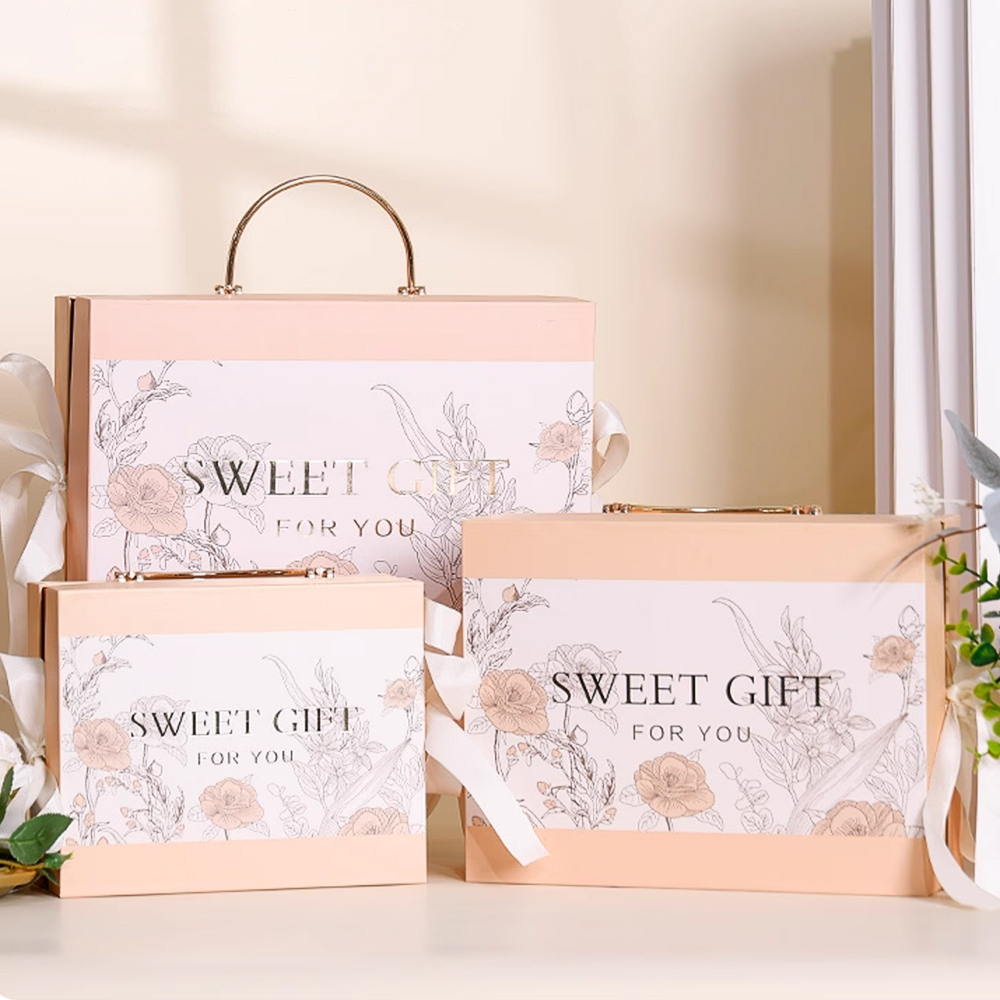
Drawer Style Boxes for Makeup and Skincare Sets
For products you want people to keep on their vanity, Drawer Style Boxes work very well.
Use these for:
- Lip kits, lash sets, mini serum collections.
- Reusable “keep-the-box” experiences.
They slide open like a little cabinet. That small movement already feels like a ritual, which is great for repeat use and brand recall.
Folding Cartons and Mailer Boxes for Everyday Cosmetics
Not every SKU needs a heavy rigid box. For daily products and large volume runs, go more lean:
- Folding Cartons
- Classic structure for single units (serum, cream, mascara).
- Flat shipped, easy to assemble, very cost-effective for big orders.
- Mailer Boxes
- Ideal as outer packaging for e-commerce cosmetics.
- Protects multiple units during shipping and gives you a clean unboxing surface.
If you want to explore different shapes for special launches, the Boxes by Shapes catalog is handy. You can go from simple rectangles to unusual shaped boxes without reinventing the wheel.
Structure First: Primary, Secondary and Shipping Boxes
Think of your packaging as three layers:
- Primary packaging – bottle, tube, jar, pump.
- Secondary packaging – the cosmetic box the shopper actually sees on shelf.
- Shipping / mailer box – the outer mailer that survives courier life.
You design from inside out:
- Check the bottle or tube size. Make sure the internal fit is tight enough so it doesn’t rattle.
- Add inner support (card tray, cardboard insert, or paper pulp) where needed.
- Then build the outer cosmetic box with enough wall thickness and height, but no crazy empty space.
Sometimes the box look perfect on screen but fails drop tests. Always ask your supplier for samples and do some very basic “office tests” – shake, drop from desk, press the sides a bit.
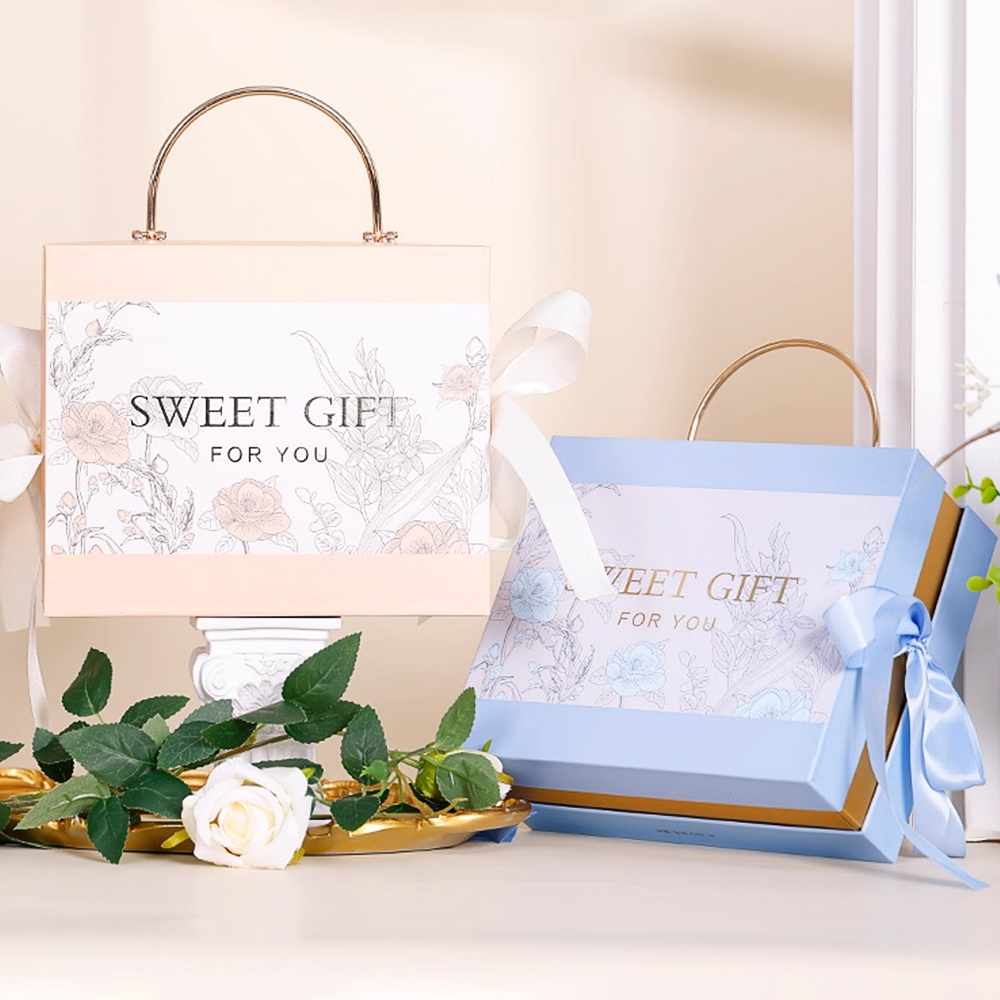
Design the Visuals: Colors, Fonts, and Finishes for Cosmetics
Now the “pretty” part, but still very strategic.
Match Visual Style to Product Positioning
For cosmetics, color and layout quickly signal what you stand for:
- Clean skincare
- Soft colors, lots of white space, simple sans-serif fonts.
- Claims and ingredients easy to scan.
- Luxury fragrance or prestige line
- Deep, rich tones, minimal text on front.
- Rigid boxes, embossing, maybe a subtle foil logo.
- Young, trendy makeup
- Punchy palettes, bigger typography, playful icons.
- Works well with unusual shapes or bold sleeves.
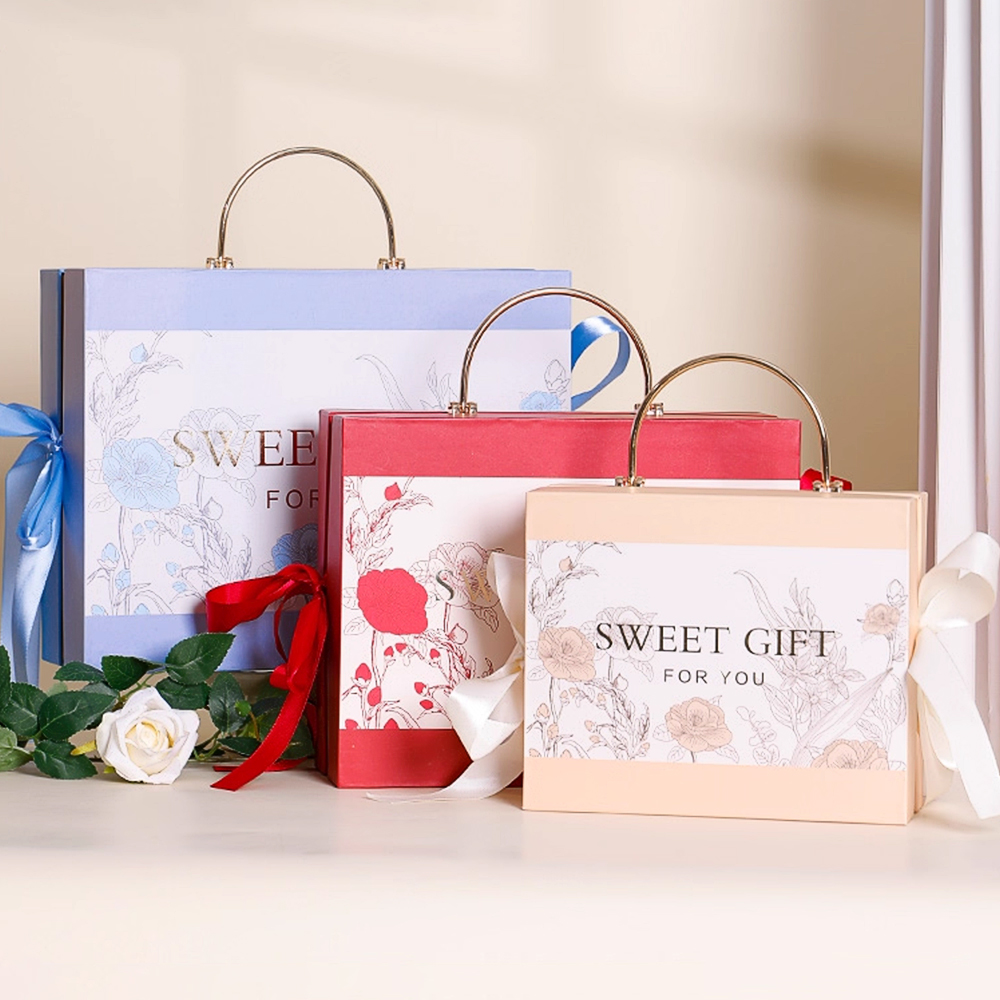
Use Finishes as “Price Signals”
Finishing options send a strong message about value:
- Matte or soft-touch lamination – smooth, premium feel.
- Spot UV – glossy highlight on logo or key areas.
- Emboss / deboss – raised or pressed logo, so you can feel it.
- Foil stamping – metallic accents for perfume or festive items.
You don’t have to use everything. Better choose one or two touches that fit the story and your budget. Too many effects and the box feels noisy.
Make Cosmetic Boxes Sustainable and Practical
Consumers look at sustainability now, and retailers ask about it in vendor onboarding. So build it in:
- Use sturdy paperboard from responsible sources when you can.
- Reduce plastic inserts where possible; use cardboard or pulp trays.
- Avoid crazy mixed materials that are hard to recycle.
- Print simple recycling instructions on a side panel.
And don’t forget practical use:
- Easy to open without breaking nails.
- Inner tray that holds the bottle but still lets people grab it.
- Clear expiry or PAO icon, batch code, and key safety info.
A little line like “Please recycle this carton” near the barcode is tiny, but customers notice.
Table: Quick Reference for Cosmetic Product Box Choices
You can use this as a mini checklist when you brief your team or supplier.
| Product Type / Use Case | Recommended Box Type | Typical Goal | Notes |
|---|---|---|---|
| Single serum, cream, toner | Folding cartons | Everyday shelf presence | Focus on clear claims, INCI list, easy barcode scan. |
| Premium perfume or gift set | Magnetic Closure Boxes | Luxury unboxing & display | Add insert for glass, use foil or emboss sparingly. |
| Lip kits, mini skincare sets | Drawer Style Boxes | Reusable “vanity” box | Good for limited editions and influencer kits. |
| Subscription or D2C bundles | Mailer Boxes | Survive shipping + look good on open | Print inside lid for a simple brand message. |
| Full cosmetic line by category | Cosmetic Packaging Boxes by Industries | Consistent brand block on shelf | Keep same layout logic across different SKUs. |
When you talk with a supplier like China Custom Boxes, you can literally walk through this table and say: “This SKU is here, this one is here,” so everyone speaks the same language.
Work With a China Custom Boxes Factory Partner
Design is one part. Production is a whole other story.
If you’re in a brand team, procurement, or you run a small cosmetic label, you probably care about:
- Low but realistic MOQ for new launches.
- Stable color consistency between batches (no “two pinks” problem).
- Predictable lead time so marketing doesn’t panic.
- Ability to handle OEM/ODM for private label or contract manufacturing.
That’s where working with a dedicated packaging manufacturer helps. China Custom Boxes is set up as a China custom boxes factory focused on:
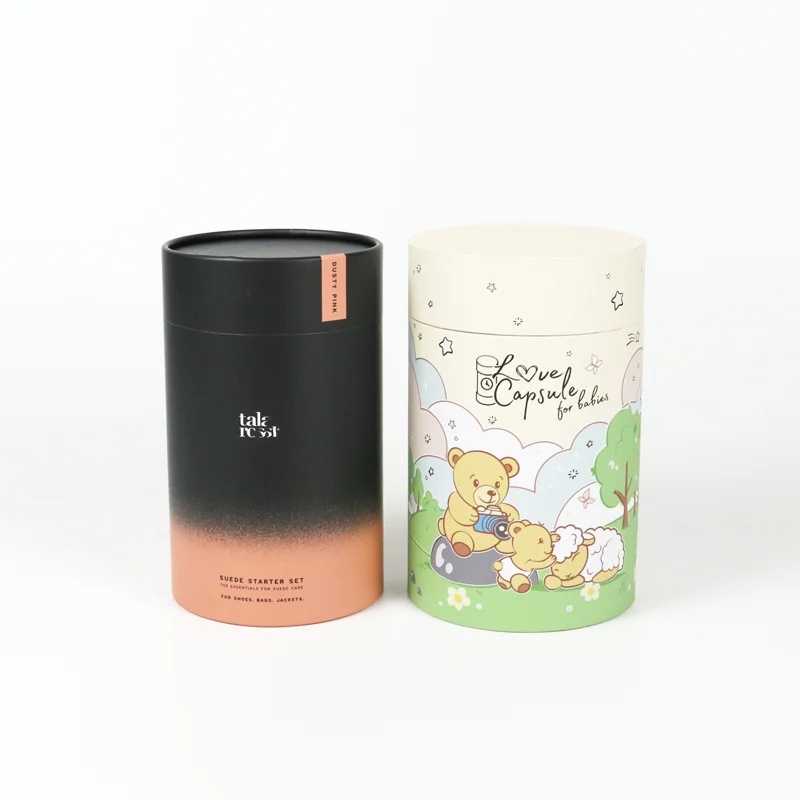
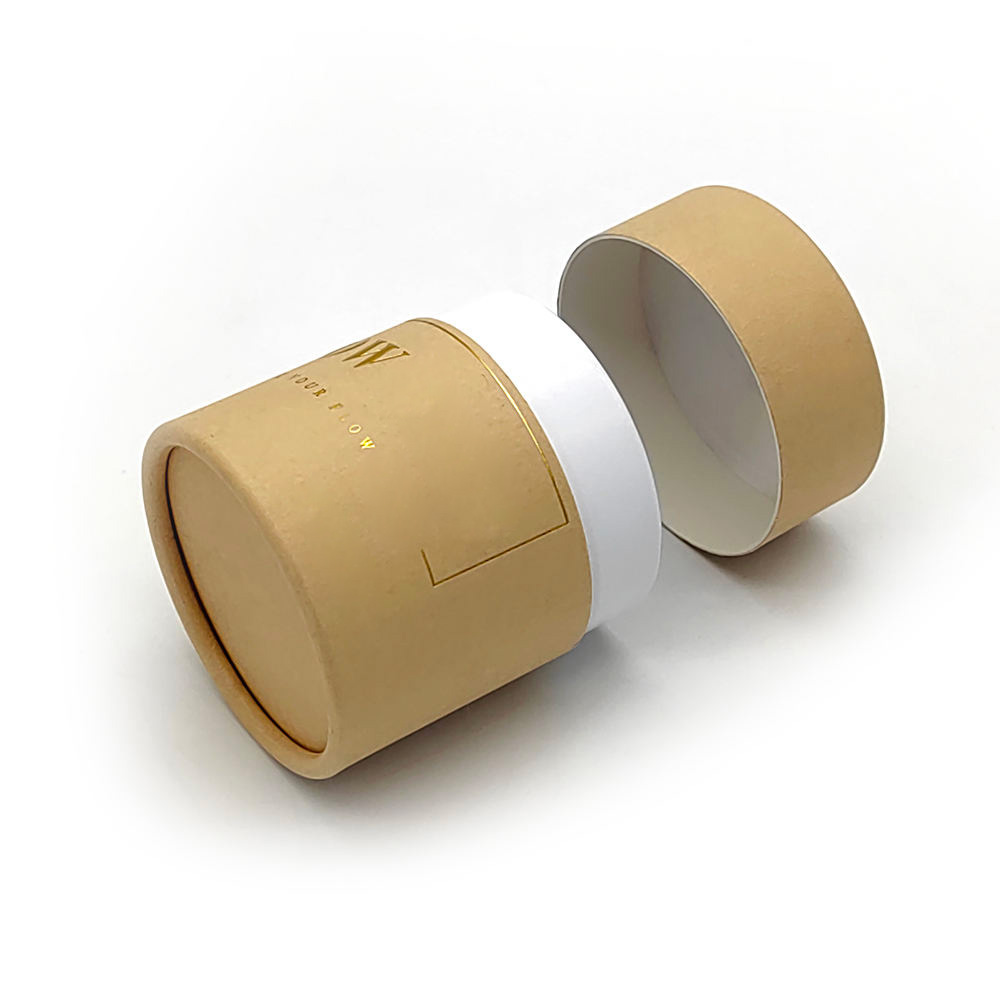
- Custom rigid boxes, folding cartons, paper tube boxes, and paper shopping bags for many industries, including cosmetics.
- Bulk wholesale projects for large perfume brands, mid-size cosmetics, and startups.
- Support for traders and distributors who handle multiple beauty labels.
You can start from existing structures via Boxes by Industries, then tweak size, artwork, and finish. This saves you tooling time and keeps your structural design stable.
When you brief them (or any pro supplier), try to include:
- Product type and formula risk (glass? oil? heavy jar?).
- Sales channel (retail shelf, online only, or both).
- Desired box style (magnetic, drawer, folding carton, mailer).
- Rough annual volume so they can plan production and suggest the right solution.
It don’t need to be a super formal document. Even a clear email with this info already makes the design and sampling phase much faster.
Final Thoughts
Designing custom product boxes for cosmetics is not only “make it look nice.” You’re balancing:
- Brand story
- Shopper psychology
- Protection and logistics
- Cost and MOQ
- Sustainability
Start from the product and user, pick a structure that fits, then layer on visuals and finishes that feel true to your line. With a partner like China Custom Boxes handling the technical side, you can focus more on the creative and the brand, while still getting boxes that work in real life.